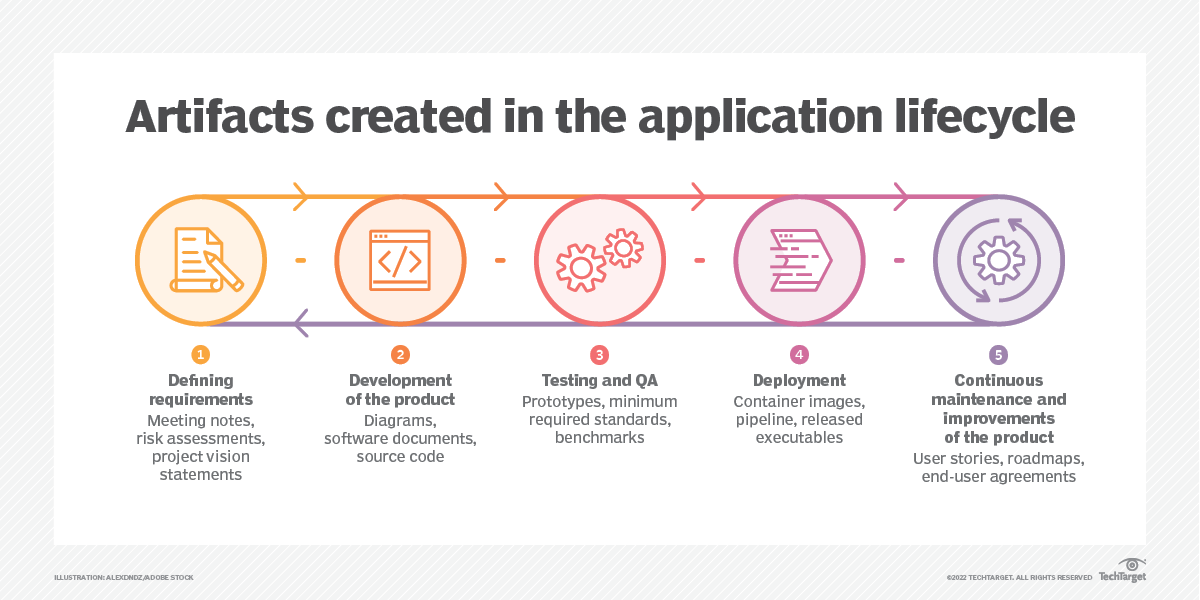
🏗️ What are Artifacts?
Artifacts are products generated throughout the software development lifecycle. They can include:
- 📜 Source code: Files that contain application logic.
- 🏗️ Binaries: Compiled executables or libraries.
- 📖 Documentation: User guides, API specs.
- ⚙️ Configuration files: Settings needed to run the application.
- 🛠️ Test results: Reports from testing pipelines.
Managing artifacts helps ensure consistency, traceability, and more efficient software delivery.
🏢 Popular Artifact Management Tools
🚀 1. Artifactory
Artifactory is a DevOps solution for storing, managing, and distributing artifacts. It supports many formats such as Docker, npm, Maven, Python, Go, and more.
🔧 Install Artifactory with Docker:
| |
After installation, you can access the web interface at http://localhost:8081.
📦 2. Nexus Repository Manager
Nexus is one of the most popular tools for binary artifacts, especially in Java environments.
🏗️ Install Nexus on Linux:
| |
After it starts, you can access Nexus at http://localhost:8081.
☁️ 3. Cloudsmith
Cloudsmith is a cloud-based artifact management platform that supports many package formats such as Docker, Helm, npm, and pip.
⚡ Upload packages to Cloudsmith:
| |
Cloudsmith simplifies package distribution and management.
🎯 Conclusion
Artifact management is critical in the software development process. Using tools like Artifactory, Nexus, and Cloudsmith ensures organized, secure, and efficient storage and deployment. Depending on project needs, you can choose the tool that best fits your DevOps workflow.
🛠️ What tools do you use to manage artifacts? Share your experience!
👉 Next step: Learn about GitOps - the process of provisioning and configuring resources (servers, networks, storage, accounts) so that systems or applications can operate effectively.